Eating for Perimenopause: A Nutrition Guide for Women of Color
Every perimenopause nutrition guide you've ever read probably told you to eat more salmon and kale. And while there's nothing wrong with that advice, it completely ignores the rich culinary traditions that many women of color grew up with.
You don't need to abandon the foods that nourish your soul to nourish your changing body. You need to understand what your body needs right now and how to get it from foods you actually want to eat.
What Your Body Needs During Perimenopause
Calcium and Vitamin D
Declining estrogen accelerates bone loss. Black women have higher bone density on average, but that doesn't mean you're immune to osteoporosis — it means it's often caught later.
Good sources: Collard greens, okra, sardines, fortified plant milks, tahini, black-eyed peas. And yes, dairy if you tolerate it — though lactose intolerance is more common in people of African descent.
Phytoestrogens
Plant compounds that can gently support estrogen levels.
Good sources: Soybeans and soy products, flaxseeds, chickpeas (think hummus), lentils, sesame seeds. West African groundnut stews and Caribbean-style lentil dishes are excellent sources.
Omega-3 Fatty Acids
Anti-inflammatory support for joint pain, mood, and cardiovascular health.
Good sources: Mackerel, sardines, herring (smoked fish is a Caribbean staple for a reason), walnuts, chia seeds, hemp seeds.
Fiber
Crucial for hormone metabolism and gut health, which directly affects estrogen levels.
Good sources: Sweet potatoes, plantains, black beans, brown rice, okra, callaloo, whole grain fufu.
Magnesium
The "calm mineral" — supports sleep, reduces anxiety, eases muscle cramps.
Good sources: Dark chocolate (yes, really), pumpkin seeds, black beans, spinach, cashews, and leafy greens like amaranth.
Foods to Enjoy More
- Fermented foods: Kimchi, sauerkraut, kefir, fermented locust beans (dawadawa) — your gut microbiome affects hormone balance
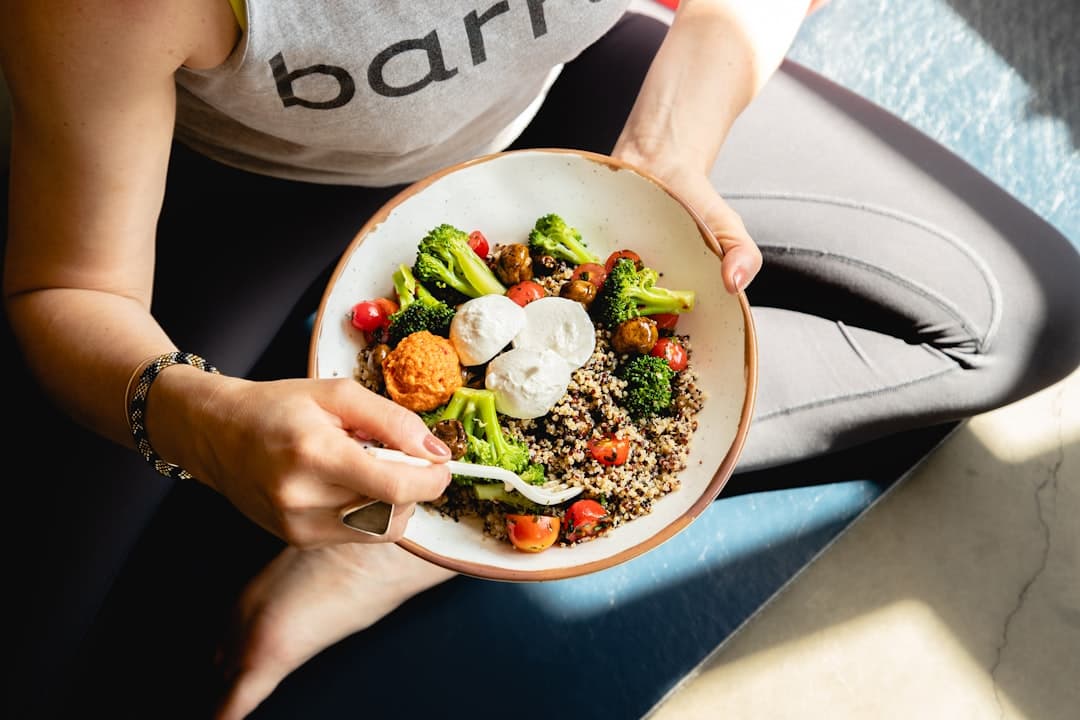
- Cruciferous vegetables: Broccoli, cabbage, Brussels sprouts — they help your liver metabolize estrogen
- Berries: Rich in antioxidants that combat oxidative stress
- Turmeric and ginger: Natural anti-inflammatories that many of us already cook with
Foods to Be Mindful Of
- Added sugar: Can worsen mood swings and hot flashes
- Excessive caffeine: Can trigger hot flashes and worsen anxiety
- Alcohol: Even moderate drinking can disrupt sleep and worsen symptoms
- Ultra-processed foods: Inflammation triggers that compound perimenopause symptoms
The goal isn't perfection. It's awareness. When you understand what your body is asking for, you can make choices that support your transition — without giving up the foods that make you feel like home.
Photo by Clark Douglas on Unsplash
Track your perimenopause journey
Ohemaa helps you log symptoms, discover patterns, and connect with women who understand your experience.
Download Free